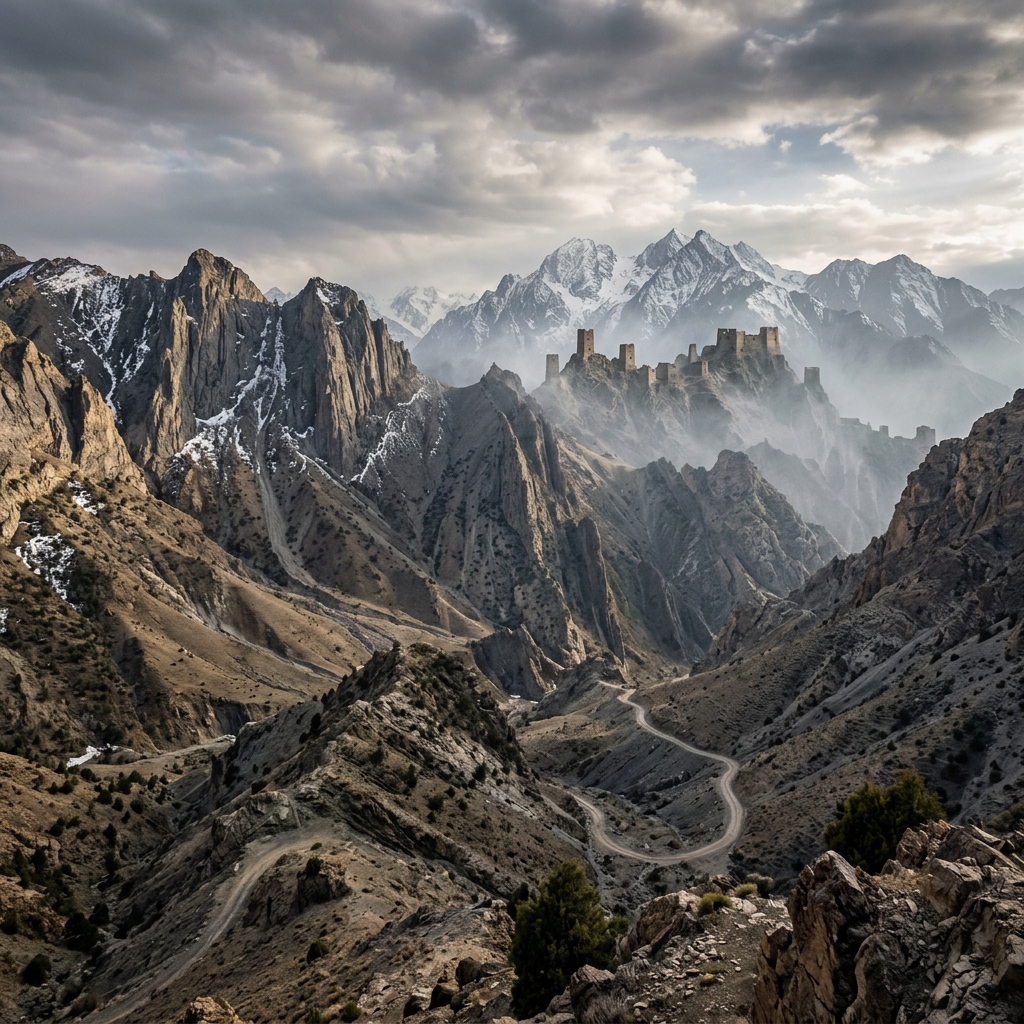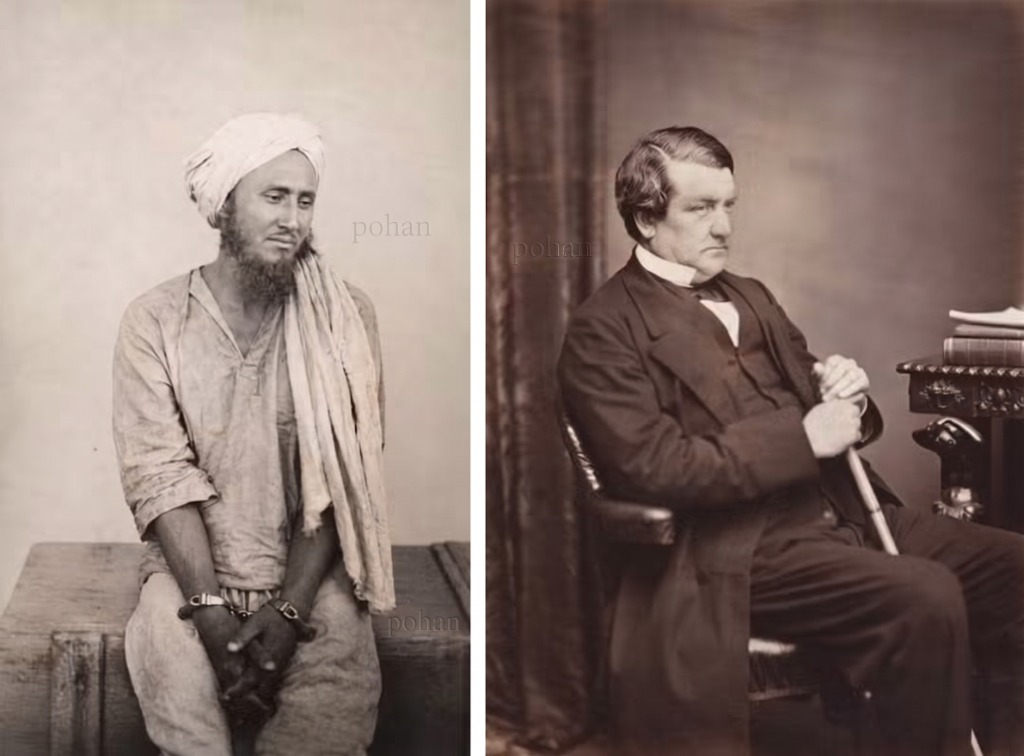
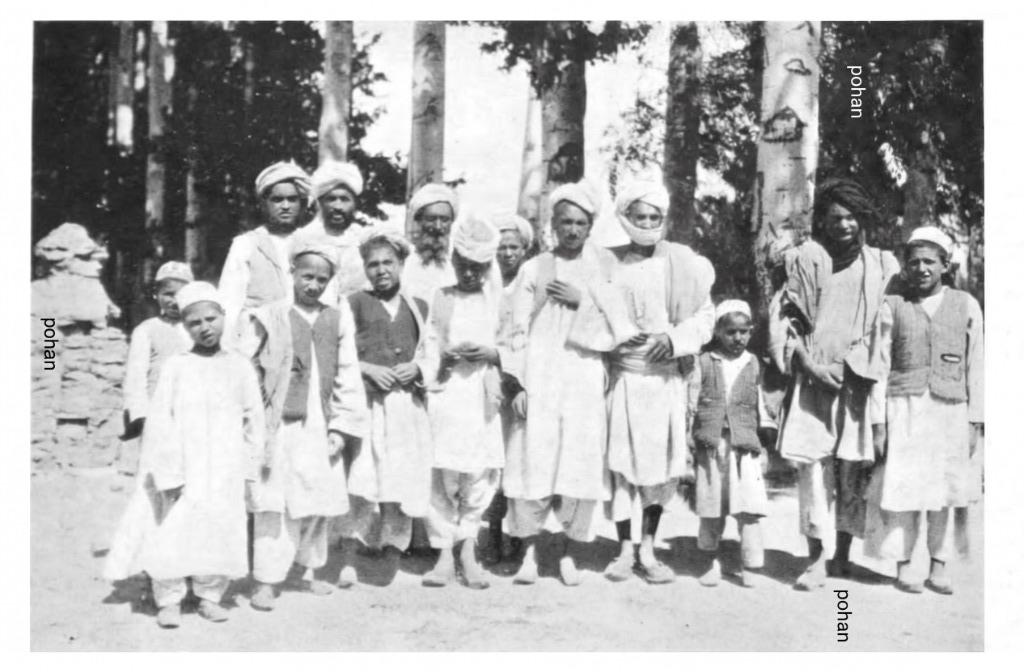
The advent of Islam into those mountainous regions, which we call Afghanistan today, but which India herself preferred to call Khorasan, leads us to the story of how the name of Afghanistan originated, what it means, and who the Afghans are after whom the entire region is named. This is as important to the history of the North-West Frontier today as it was a thousand years ago.
What was once part of Aryan India, this chapter of history too, like almost everything else, links to the people whom William Bolitho calls the "eternal contemporaries"—the Jews.
Probably shortly before the advent of Islam, a people came and settled in the region around Kandahar. Later, they made the mountains of Ghor their home. This tribe was one of the many tribes that constituted the population of 'Roh' in this region. Due to this tribe, the country came to be called Afghanistan, meaning "the land of the Afghans."
This tribe apparently was among the first to accept the new religion of Islam. These people trace their descent to Afghana, a son of Saul, the king of Israel. They claim that Afghana was the commander-in-chief of the armies of the Children of Israel.
However, they present Kish or Kais as their more famous ancestor, who according to them was the eighteenth in descent from Saul. This tribe, which grew into a whole nation over time, still calls itself Bani Israel, meaning "the Children of Israel."
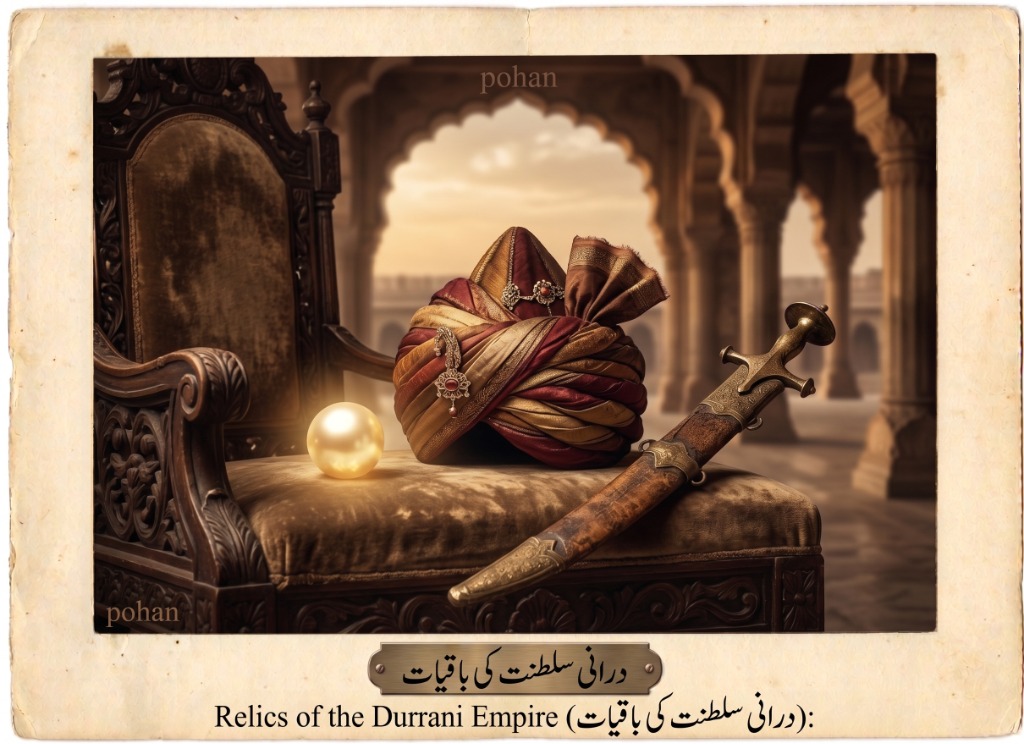
Since it was a prestigious and powerful tribe, holding a prime part of the region we now call Afghanistan, and because a chief of this tribe founded the Afghan dominion and named it the Durrani Empire, almost all Muslim tribes, apart from those of Turkic descent, began to claim themselves as branches of this lineage.
Afghan genealogists were also very eager to ascribe this lineage to them. Consequently, almost every Pathan tribe claims descent from this lineage, even though it is certain, as stated earlier, that many of these tribes are of Jat or Rajput descent.
A comparative study of the characteristics of Punjabi Muslim Rajputs and Pathans clearly shows that while the mountainous environment and freedom from government control on one hand, and the relatively organized life in the plains of Punjab on the other, have created some differences, fundamentally there is no huge difference between the two.
All Pathans, whether Durranis or belonging to any other tribe, ultimately speak Pashto, a language derived from Persian, although language is not a definitive criterion of race.
An easy example of this is the Boers. A large number of them were French Huguenots, as their names also indicate, rather than people of original Dutch descent. Despite this, their language, known today as Afrikaans, does not contain French words.
The Durranis' claim of tracing their lineage to Israel might be true, provided "Israel" is taken to mean Hebrew. It is even more probable that they are descendants of one of the lost tribes of Israel, because migrating through the valleys of Persia would not have been a very massive migration. Similarly, it is also possible that they are descendants of a branch of Jews scattered during the Babylonian captivity.
In these people, especially in old age, the appearance commonly referred to as the Jewish physiognomy is visible. Although in reality, this specific appearance was perhaps more prominent only among the people of Judah, who acquired Hittite-like noses and facial features through trade relations with Moab.
It is said that blue eyes and red hair were also found among the people of Israel.
But there is no definitive proof of any kind in support of this claim (that Afghans are descendants of Bani Israel), and probably no such proof will ever emerge.
Their names are very much like Jewish names, although Muslim names are also drawn in large numbers from these very Biblical names. However, perhaps these Biblical names are found more frequently among them compared to other Muslims. For example: Joseph — یوسف, Jacob — یعقوب, Jesus — عیسیٰ, Moses — موسیٰ, Abraham — ابراہیم.
These names are heard more frequently among these people compared to other Muslims.
One of their customs also lends some support to this tradition, because among Muslims, only these people celebrate a ceremony that somewhat resembles the Jewish Passover.
In any case, these people, meaning the descendants of Afghans, gave their name to this country in relatively modern times, a country which had previously been known in various periods as Kabulistan, Zabulistan, and Khorasan. Similarly, the name "Afghan" also came to be used for the entire Pashto-speaking people.
Sources
- 1.The Romance of the Indian Frontiers — Sir George MacMunn